
Beneath the surface
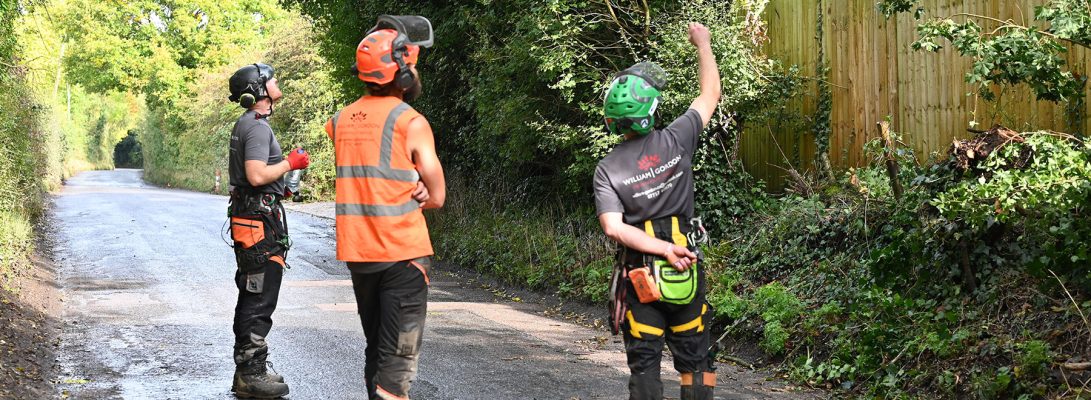
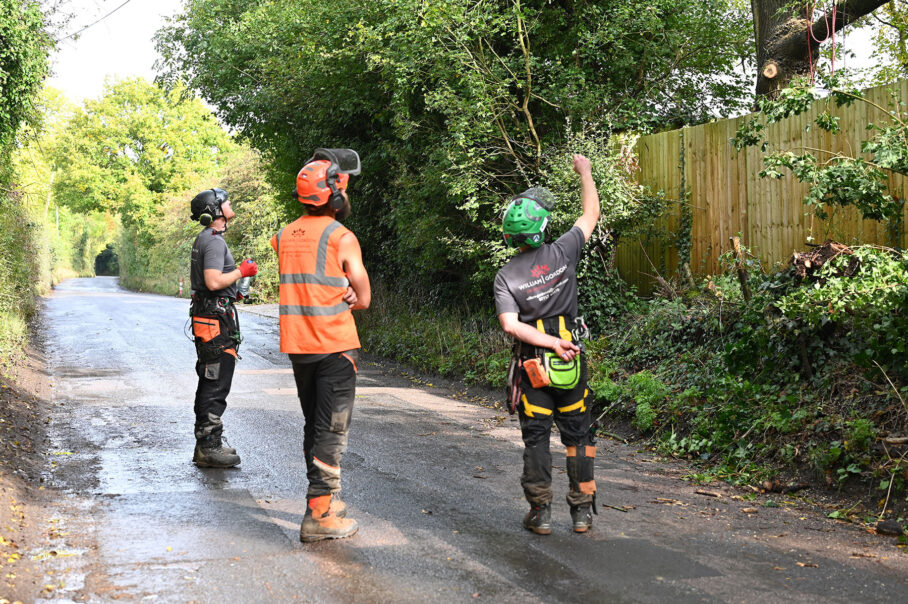
On a calm afternoon, it’s easy to look at a mature tree and assume that all is well. Its canopy moves gently in the breeze, its trunk stands firm, and everything appears just as it should be. Yet beneath the bark and below the soil, subtle changes can be taking place — changes that only become visible when heavy rain and high winds begin to test the tree’s strength. With increasingly unpredictable weather patterns across Kent and South-East London, Visual Tree Assessments have become an important part of responsible tree care.
The subtle signs
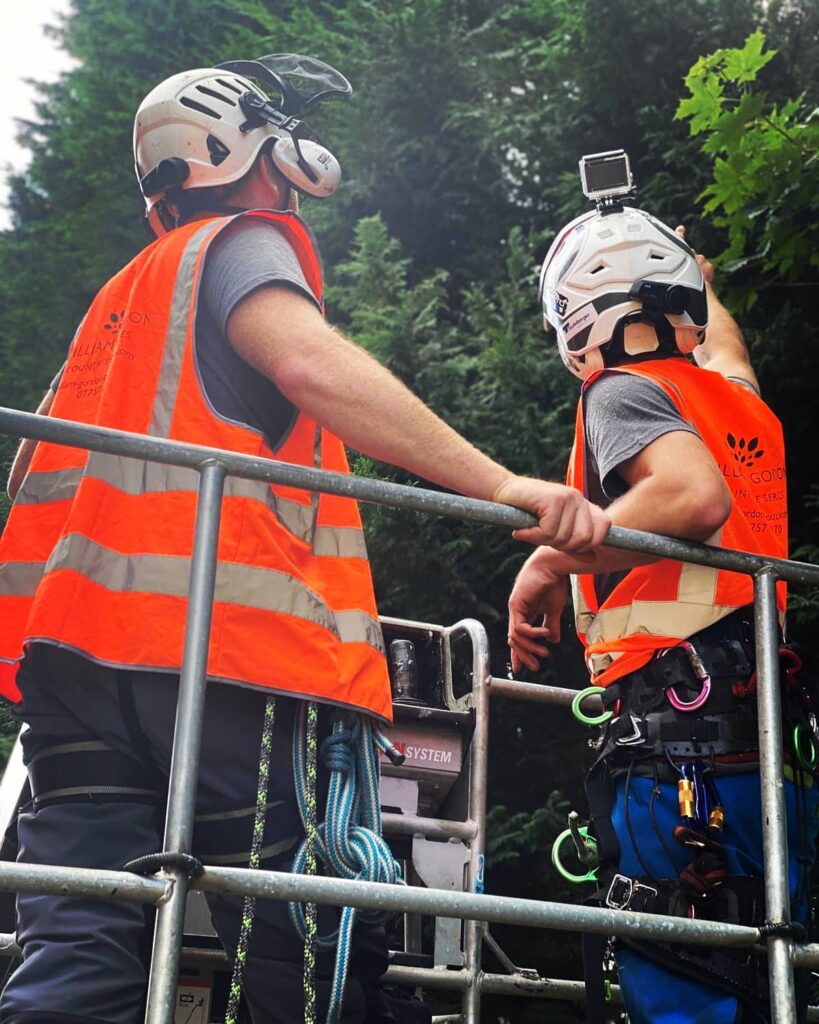
A Visual Tree Assessment (VTA) is a professional ground-level inspection designed to identify early signs of structural weakness, decay and instability before they develop into more significant hazards. It looks not only at what is immediately obvious, but also at the quieter indicators of how a tree is responding to age, environment and past management.
During a VTA, a trained arborist considers crown density and growth patterns, the natural form and lean of the stem, soil condition and root plate stability, historic pruning wounds and reaction growth, and the presence of fungal bodies, cracks or cavities.
Where appropriate, simple probing tools and sounding techniques may also be used to help assess areas of suspected decay within the stem or at the base of the tree. Attention is also given to what lies within falling distance — buildings, vehicles, footpaths and other areas of regular use.
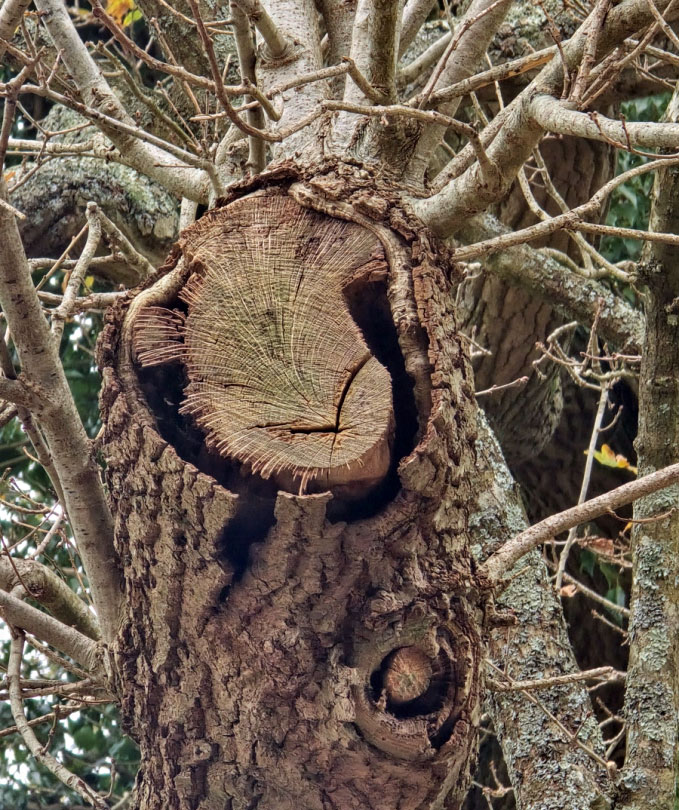
Prolonged rainfall can saturate soils and reduce root anchorage, while high winds place increased mechanical loading on stems and branches. Trees that have adapted quietly over many years can suddenly be asked to withstand forces beyond their natural tolerance. Many of the storm-related failures attended by arborists involve defects that were present long before the storm itself, but which simply went unnoticed by the untrained eye.
Protecting what matters
A professional Visual Tree Assessment can help to reduce the risk of property damage, minimise the likelihood of personal injury, and offer reassurance that trees are being looked after with care. It allows small changes and early signs of decline to be noticed while they are still manageable, rather than only coming to light when a problem becomes more serious.
Visual Tree Assessments are particularly relevant for homeowners, landlords, managing agents, schools, rural properties and estates, and commercial sites where trees stand within falling distance of buildings, driveways, footpaths and other areas of regular use.
In these settings, trees often bring character, shade and a sense of place, but they also carry a quiet responsibility to ensure that they remain safe for the people who live and work around them.
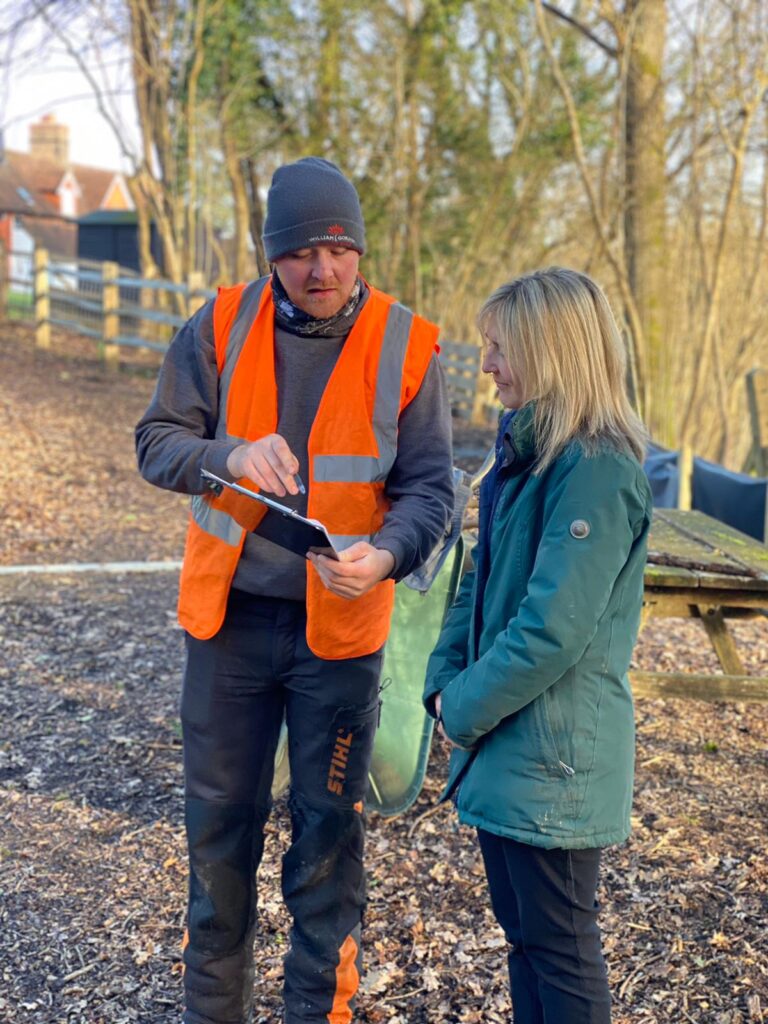
At WGCS Tree Management, Visual Tree Assessments are carried out by experienced arborists and recorded within a clear written report supported by photographs.
Looking ahead
Each assessment includes straightforward observations, an overview of the tree’s current condition, and a simple management plan designed to guide future care. Where any works are recommended, these are presented with practical guidance and suggested timeframes, allowing maintenance to be planned thoughtfully and without unnecessary urgency. Our approach is rooted in long-term stewardship. We aim to retain healthy trees wherever possible, while making sure that safety and duty of care remain central to every recommendation. We believe that calm, honest advice supports better decisions and healthier landscapes. As part of our winter storm-risk awareness programme, a limited number of free Visual Tree Assessments are currently being offered to existing WGCS customers. For further information or to arrange an assessment, please contact us.
